
Kelli Howard
Administrative Officer, Federal Public Defender for the Western District of Pennsylvania
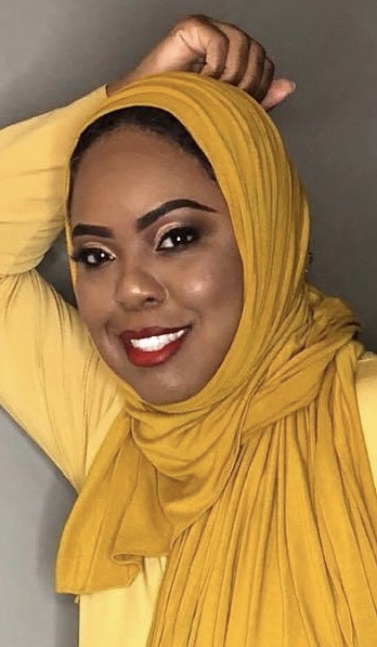
Christina Tavares
Director of DEI, The Defender Association of Philadelphia
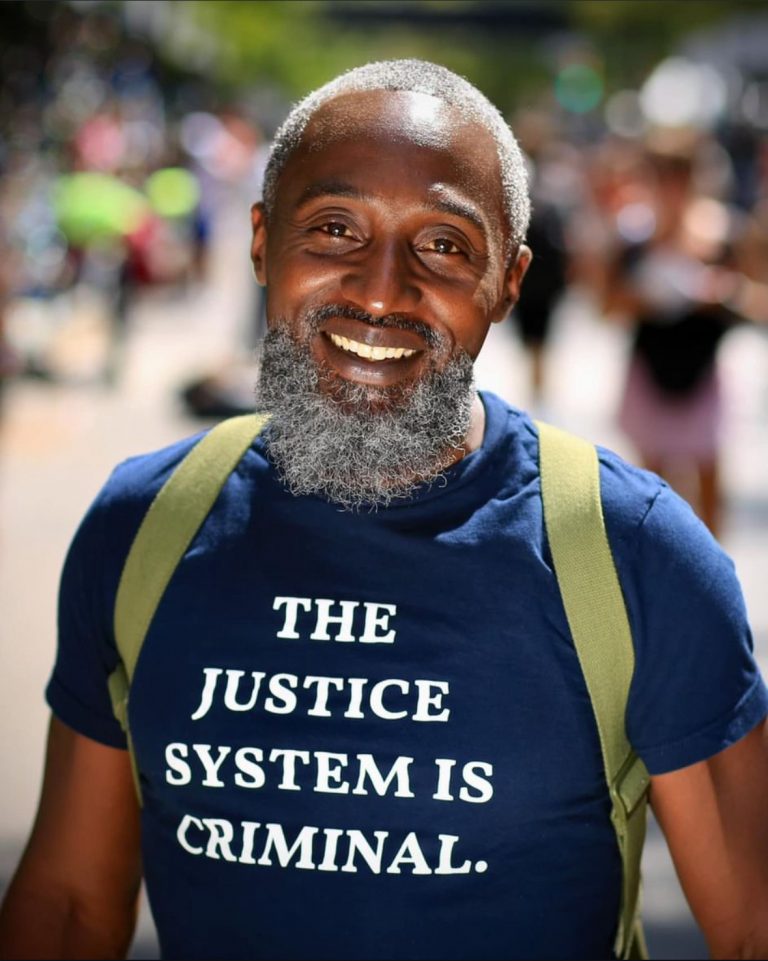
Guy Lang
Director of Youth Programs and Community Outreach, The Defender Association of Philadelphia

Joshua White
Trial Attorney, New York County Defender Services
9:00 AM - 10:00 AM ET | Opening Plenary
Speaker:
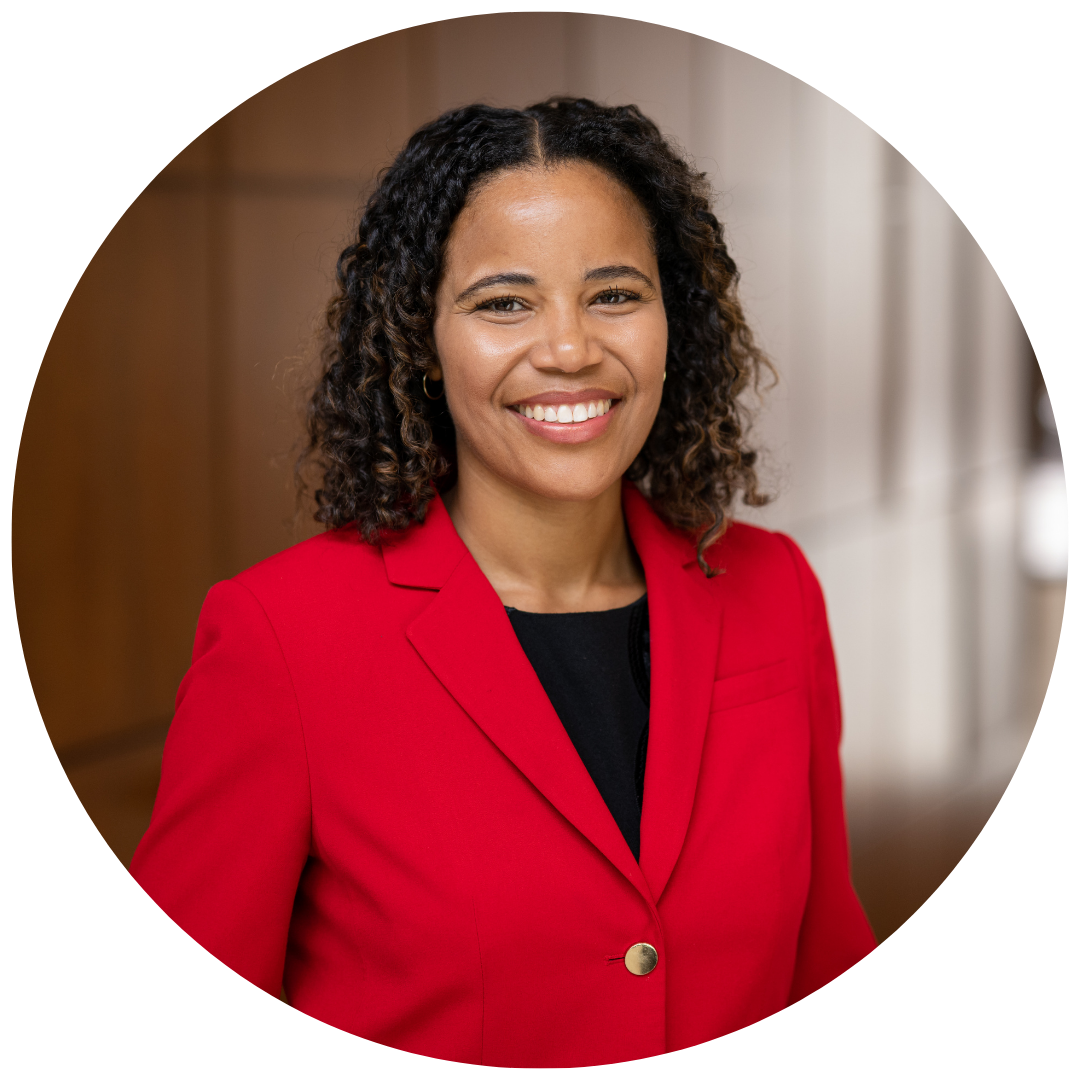
Cara McClellan
Founding Director and Practice Associate Professor, Advocacy for Racial and Civil (ARC) Justice Clinic
10:00 AM - 11:00 AM ET | Concurrent Sessions 1
Beyond the Headline: Black Public Defenders, the Media and the Stories That Shape Justice
The public often learns about the criminal legal system through the news. But by the time a case reaches the public, the story may already have been shaped by police statements, prosecutors, court filings, and social media, often before a public defender or their client has been heard. This panel brings together journalists, Black public defenders and communications professionals to talk about how criminal justice stories are reported and what defenders should know about working with the media. Panelists will discuss how reporters find stories and sources, work under deadlines, and cover issues involving race, crime, and public safety. They’ll also explore what defenders can and can’t say while protecting their clients, how to build relationships with reporters, what to do when coverage is inaccurate or missing important context, and how defenders can help reporters better understand their clients, communities and the criminal legal system.The session will also include real-world media scenarios and an interactive “Can I Say That?” discussion.
Moderator:
Rabiah Alicia BurksVice President of Communications and External Affairs, National Legal Aid & Defender Association
Speakers:
Christina CarregaJournalist & Educator
Troy Donté Prestwood
Founder and CEO, The Prestwood Group
George Jackson
Director of Communications, Defender Association of Philadelphia
How to Start Tracking Police Misconduct: Building an Infrastructure of Accountability at Your Office
If you investigate police witnesses, this session is for you. Official misconduct is a leading contributing factor to wrongful convictions, which disproportionately impact people of color. Participants will leave with a game plan to start a police misconduct tracking program at their office. Topics will include how to build momentum, where to access data, and best practices for starting with tools you already have so you can grow your database over time. Learn how to build a database to win more cases and reduce Brady violations. Tracking misconduct in your jurisdiction can be part of your practice to hold the powerful accountable and reduce the disproportionate impact of wrongful conviction on communities of color.Speakers:
Summer D. FarrarDirector of Partnerships & Outreach, Techtivist
Julie Ciccolini
Founder, Techtivist
11:00 AM - 11:15 AM ET | Break
11:15 AM - 12:15 PM ET | Concurrent Sessions 2
Fortifying Community Defense Infrastructure
As attacks on Black communities, organizers, and movement infrastructure continue to intensify, we are all called to deepen our commitment to building people power and political power. This workshop will introduce and/or refresh core principles of power building through movement lawyering, including the importance of building mutually respectful, accountable relationships with organizers, with a focus on strengthening organizing efforts to create local defensive infrastructure that can protect the community from the spiral of criminalization. Participants will have an opportunity to explore different components of community defense infrastructure and practice designing their ideal systems. Our offices are staffed with passionate, intelligent, hard-working team members who are committed to representing the communities most impacted by the criminal court system. Often, those impressive advocates are not from these communities.Speakers:
Christian SnowExecutive Director, Law for Black Lives
Beyond the Courtroom: Storytelling and Media Strategy as Tools for Justice
Public defenders see important stories about our criminal legal system every day, from policing and pretrial detention to youth justice, racial disparities, poverty, and other issues impacting their clients and communities. This session would help defenders think about how they can use storytelling and media as another tool for advocacy. We would talk about how media narratives shape the way people understand crime and public safety, how to identify strong stories within their work, and how to build relationships with journalists, pitch stories, write op-eds, and participate in interviews. Participants would leave the session with a story idea and a short media pitch they can use to help bring more attention to an issue in their own community.Speakers:
Dr. Kevin BeckfordSenior Associate, Partnerships and Engagement, Pretrial Justice Institute
12:15 PM - 1:15 PM ET | Lunch Break
1:15 PM - 2:15 PM ET | Concurrent Sessions 3
Speaking Truth to Power: Hip-Hop’s Storytelling Role in Justice
How can public defenders help judges and prosecutors understand their clients and their stories without minimizing or erasing their lived experiences? This presentation explores Hip-Hop as a tool for client-centered storytelling and race-conscious advocacy. Participants will examine the foundations of Hip-Hop, its role as a critique of systemic injustice, and the parallels between attacks on Hip-Hop culture and the criminalization of Black communities. The session offers strategies for using historical and musical context to challenge stereotypes, communicate clients’ experiences, and make the injustices they face visible in the courtroom.Speakers:
Guy LangDirector of Youth Programs and Community Outreach, The Defender Association of Philadelphia
Christina Tavares
Director of DEI, The Defender Association of Philadelphia
Investigating While Black & Brown: Perspectives from Black and Brown Public Defense Investigators and a Former Investigative Intern
This session will explore the lived experiences of Black and Brown professionals in the world of investigations. We’ll examine the racial barriers, bias, and field hazards that are amplified by our skin color and culture. From navigating suspicion on the job to carrying the weight of being both trusted community insiders and scrutinized outsiders. We’ll discuss the added pressure of building client relationships and community trust, the toll this work takes on investigators’ well-being, and why adopting race-conscious policies leads to safer investigators, stronger cases, and better practices. Be ready for honest conversation, hard truths, and practical lessons.Speakers:
Omishia JacksonLead Investigator, The Federal Public Defender’s Office for the Western District of Pennsylvania
Nabil Valencia
Investigator and Mitigation Specialist in the Capital Habeas Unit, The Federal Public Defender’s Office for the Western District of Pennsylvania
Morgan Pace
Legal Assistant in the Trial Division, Public Defender Service for the District of Columbia
2:15 PM - 2:30 PM ET | Break
2:30 PM - 3:30 PM ET | Concurrent Sessions 4
From Advocate to Architect: Black Leadership and Institutional Power in Public Defense
Black public defenders inherit a tradition of challenging injustice while building organizations, developing leaders, and transforming institutions. Today, many serve as supervisors, chiefs, executives, trainers, policymakers, and organizational leaders. This brings a new challenge: moving from advocating against inequitable systems to shaping the institutions we lead. This interactive session explores authentic Black leadership in public defense. Participants will examine representation versus transformation, identify sources of power, and consider how decisions about hiring, mentorship, development, workload, culture, resources, and succession can reinforce inequity or build pathways for future leaders. The session also addresses scrutiny, expectations of neutrality, institutional assimilation, and the tension between racial equity and organizational credibility. Participants will focus on building enduring structures, opportunities, and leadership pipelines, not just advancing individually. Ultimately, the session asks: What will we build with the power we now possess?Speakers:
Amari HarrisDeputy Executive Director and General Counsel, Virginia Indigent Defense Commission (VIDC)
The Assault on Black Families: Child Welfare Disproportionality as a Civil Rights Crisis
The overrepresentation of Black children in the child welfare system is not just a policy issue. It is a profound civil rights and social justice crisis. From family separation to systemic surveillance and the disproportionate termination of parental rights, these inequities are rooted in a long history of racial injustice. Attorneys have both the power and the responsibility to challenge these discriminatory practices, advocate for systemic reform, and defend the fundamental rights of Black families. This presentation, co-designed with individuals who have lived experience in the child welfare system, will center the voices of those most impacted. Through interactive discussions, case studies, and small-group strategy sessions, participants will examine how the child welfare system perpetuates racial injustice and explore legal and advocacy strategies to dismantle these oppressive structures. Attendees will leave this presentation empowered to take action, use their legal expertise to fight for policy change, challenge systemic biases, and defend the civil rights of Black children and families.Speakers:
Josephine C. VanderhorstSenior Training Staff Attorney, National Association of Counsel for Children
Shannon Felder
Training Director, National Association of Counsel for Children
3:30 PM - 3:45 PM ET | Break
3:45 PM - 4:45 PM ET | Concurrent Sessions 5
The Consequences Continue: Race and the Juvenile Legal System Beyond Adjudication
For young people in the juvenile legal system, adjudication is not the end of the story. What happens afterwards- disposition, placement, confinement, supervision, access to education and services, and conditions of release- can greatly shape a young person’s future. For Black and Brown youth, these decisions often occur within systems where racial disparities and racialized assumptions continue to influence perceptions of dangerousness, accountability, rehabilitation, family support, and a young person’s likelihood of success. This presentation examines how race continues to shape experiences and outcomes beyond adjudication and explores practical strategies for identifying and challenging inequities throughout the disposition and post-disposition process. Participants will consider whether we are truly providing zealous representation if we stop advocating when the court case ends, and how attorneys can continue to challenge the racialized barriers and consequences young people face after disposition.Speakers:
Tiffany ReidStaff Attorney, Public Defender Service for the District of Columbia
Brittany Mobley
Juvenile Services Program Deputy Chief, Public Defender Service for the District of Columbia
Beyond Cultural Competence: Representing Communities We Don’t Reflect
This session is for defenders who are the bridge, and for those responsible for supervising others across that bridge. We will examine how cultural distance between an office and its client base undermines trust, coordination, and outcomes, and what individual attorneys and supervisors can do about it. Topics will include recognizing when an attorney’s advocacy is misreading a client; giving direct, non-defensive feedback to colleagues about race, class, and client communication; and leveraging experts, community groups, and other outside resources to educate our well-meaning colleagues who, not for lack of effort, don’t get it.Speakers:
Gabrielle LeeSupervisory Assistant Federal Public Defender, The Federal Public Defender Office for the Western District of Pennsylvania
4:45 PM - 5:00 PM ET | Break
5:00 PM - 6:00 PM ET | Virtual Networking Event
Facilitated rooms organized around topics, practice areas, and shared interests.
9:00 AM - 10:00 AM ET | Concurrent Sessions 1
“An Infinite Progression of Crime”: America’s Desperate Need for Criminal Justice Reform
Building on the argument and concepts expressed by Dr. Brandon Hogan, Ph.D., J.D., in his essay titled “Hegelian Restorative Justice,” this presentation discusses the issues and deep flaws of our current criminal legal system’s overfocus on harsh punishment and offers sound, proven methods of restorative justice instead.Speakers:
Rebbie DavisParalegal Specialist, Public Defender Service for the District of Columbia
Defending Our Communities: Building Young Defenders, Building Community Power
What if community defense begins before a young person ever enters a courtroom? Through the Defender Association of Philadelphia’s Junior Defender Program and Junior Defender University (JDU), we are investing in young people as both future defenders and present-day advocates for their communities. This presentation will explore how youth-centered legal education, collective resistance, and public defense can interrupt the school-to-indigent-criminal-defense pipeline by giving young people the knowledge and tools to understand, navigate, and challenge the systems that shape their lives. We will share the evolution of Junior Defender from a youth education initiative into a broader model of community defense, highlighting youth-led advocacy, civic engagement, and opportunities for young people to use their voices to defend themselves, their peers, and their communities. Together, we will ask: What does it mean for public defenders to build with young people, rather than simply defend them? And what becomes possible when young people see themselves as defenders, advocates, and agents of collective resistance?Speakers:
Guy LangDirector of Youth Programs and Community Outreach, The Defender Association of Philadelphia
Christina Tavares
Director of DEI, The Defender Association of Philadelphia
10:00 AM - 10:15 AM ET | Break
10:15 AM - 11:15 AM ET | Concurrent Sessions 2
Never Woke, Always Waking: Leading Anti-Racist Practice From the Inside Out
Most efforts to become an anti-racist organization start with training designed to change behavior by changing knowledge alone. But knowing about racism is not the same as being equipped to interrupt it in yourself, your relationships, or your practice. People do not fail to act on their values because they lack information. They fail because they lack the emotional capacity to tolerate the discomfort that acting on those values requires. Emotional intelligence is the capacity that lets people recognize these dynamics as they’re happening, regulate their own responses, stay present to what the person in front of them needs, and produce outcomes that reflect their values instead of their conditioning. The same goes for organizations. An office can articulate a commitment to racial justice in every strategic plan it produces, and still reproduce harm and uphold white supremacy in how it supervises, promotes, and listens, if it lacks that same capacity at the organizational level. This workshop unpacks why emotional intelligence is the competency public defender organizations actually need to be building, how to assess where you and your office currently stand, and what tools can grow it in both.Speakers:
Ali Bloomquist, Esq.Racial Justice Educator, Trial Attorney, and Strategic Leader
Identity Compression: The Dehumanizing Cost of Code-Switching in Black Public Defense
This session examines “identity compression,” the conscious or conditioned suppression of cultural, racial, linguistic, or personal expression to gain acceptance within institutions that privilege dominant norms. It asks how expectations surrounding professionalism, credibility, and respectability affect Black public defenders and their relationships with the clients they represent. Through examples spanning intake, arraignment, plea negotiations, trial, and sentencing, participants will explore how defenders can humanize clients without diminishing their own identities or reinforcing racial hierarchies. The session distinguishes strategic professional judgment from compelled assimilation and considers how collective advocacy and institutional reform can support authentic, client-centered representation.Speakers:
Joshua WhiteTrial Attorney, New York County Defender Services
11:15 AM - 11:30 AM ET | Break
11:30 AM - 12:30 PM ET | Closing Plenary
Speaker:
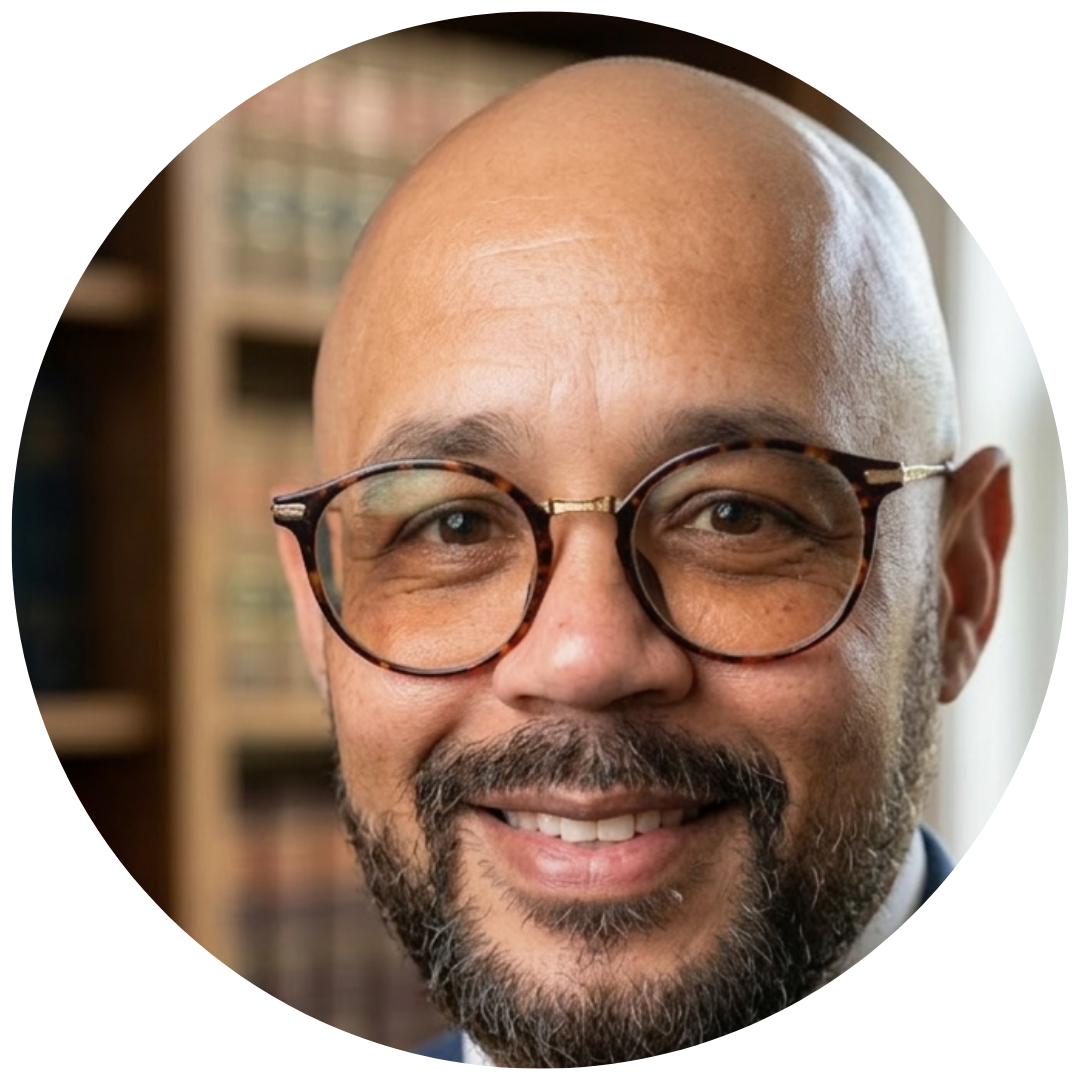
Dumaka Shabazz
Federal Public Defender, Middle District of Tennessee
12:30 PM - 1:15 PM ET | Lunch Break
1:15 PM - 2:15 PM ET | Community Connection Hour (Optional)
An open virtual space for attendees to decompress, meet one another, and continue conversations from the conference. Attendees can drop in for any portion of the hour. BPDA staff or Membership Committee members can welcome attendees and help start conversations.