


2026 BPDA Summer Conference
Tuesday, June 16 – Thursday, June 18, 2026
Brooklyn Law School
250 Joralemon St, Brooklyn, NY 11201
The BPDA Summer Conference is a gathering for Black defenders and all those committed to defending our communities with excellence and zeal. Public defense requires us to show up for our clients and each other, and for three days, we’re doing exactly that: sharing strategies that work, naming the weight we carry, and strengthening the network our communities deserve.
REGISTRATION IS OPEN
EARLY BIRD RATE: $750 | REGULAR RATE: $850 | LATE REGISTRATION RATE: $950 *
Early Bird Rate Available until April 16, 2026
Regular Rate Available until May 31, 2026
This year’s conference is all about us—Community Is Power—and the truth that together, we’re stronger.
This gathering is for Black defenders and all those committed to defending our communities with excellence and zeal. Public defense requires us to show up for our clients and each other, and for three days, we’re doing exactly that: sharing strategies that work, naming the weight we carry, and strengthening the network our communities deserve.
Expect plenaries that inspire, workshops that sharpen your practice, strategic planning for BPDA’s future, and our Juneteenth celebration—because joy is part of the work, too!
Hotel Partner
The Tillary Hotel Brooklyn • 85 Flatbush Ave Ext, Brooklyn, NY 11201
We’ve secured 110 hotel rooms at the Tillary Hotel Brooklyn for BPDA 2026 Summer Conference attendees. These rooms are on a first-come, first-served basis.
REP THE MOVEMENT
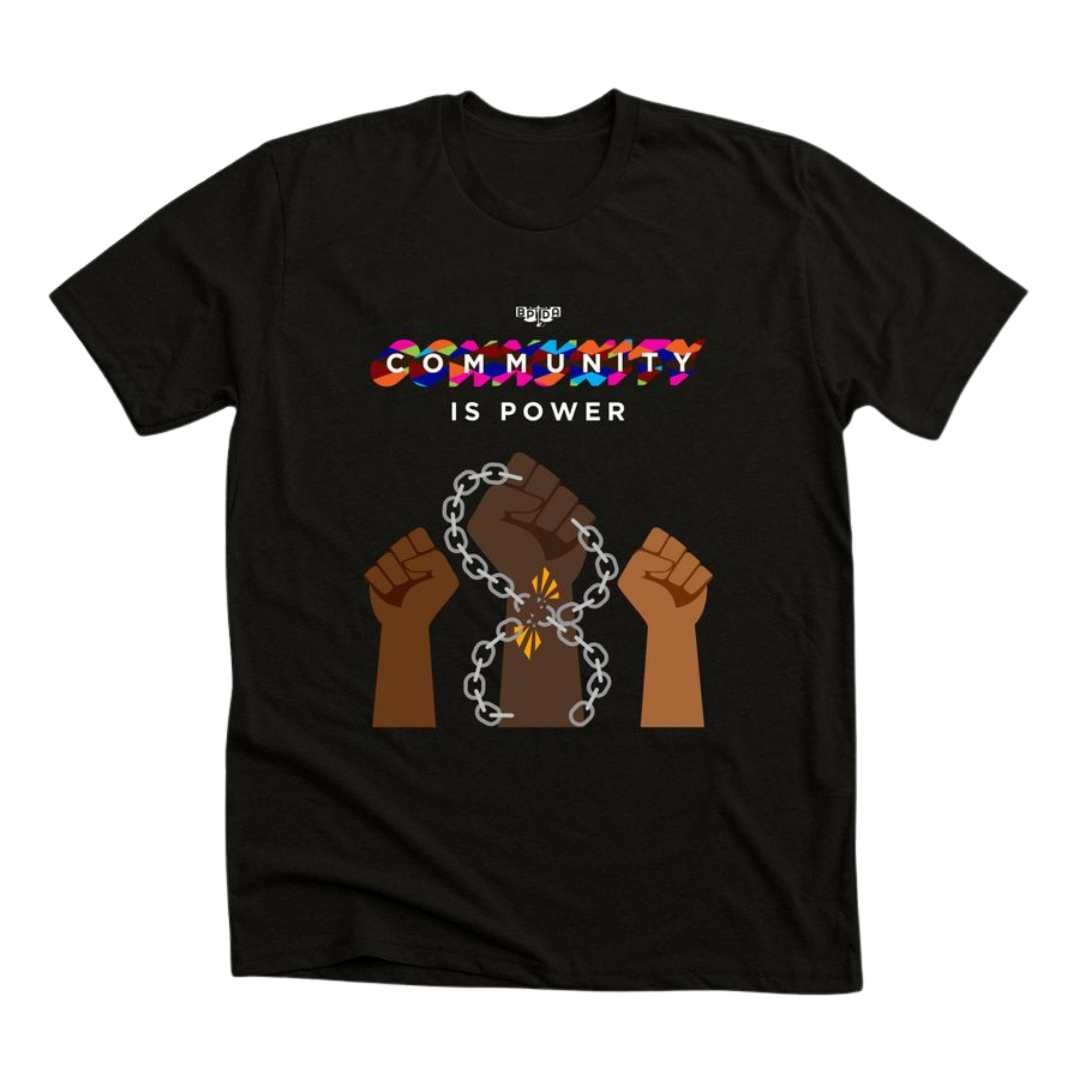
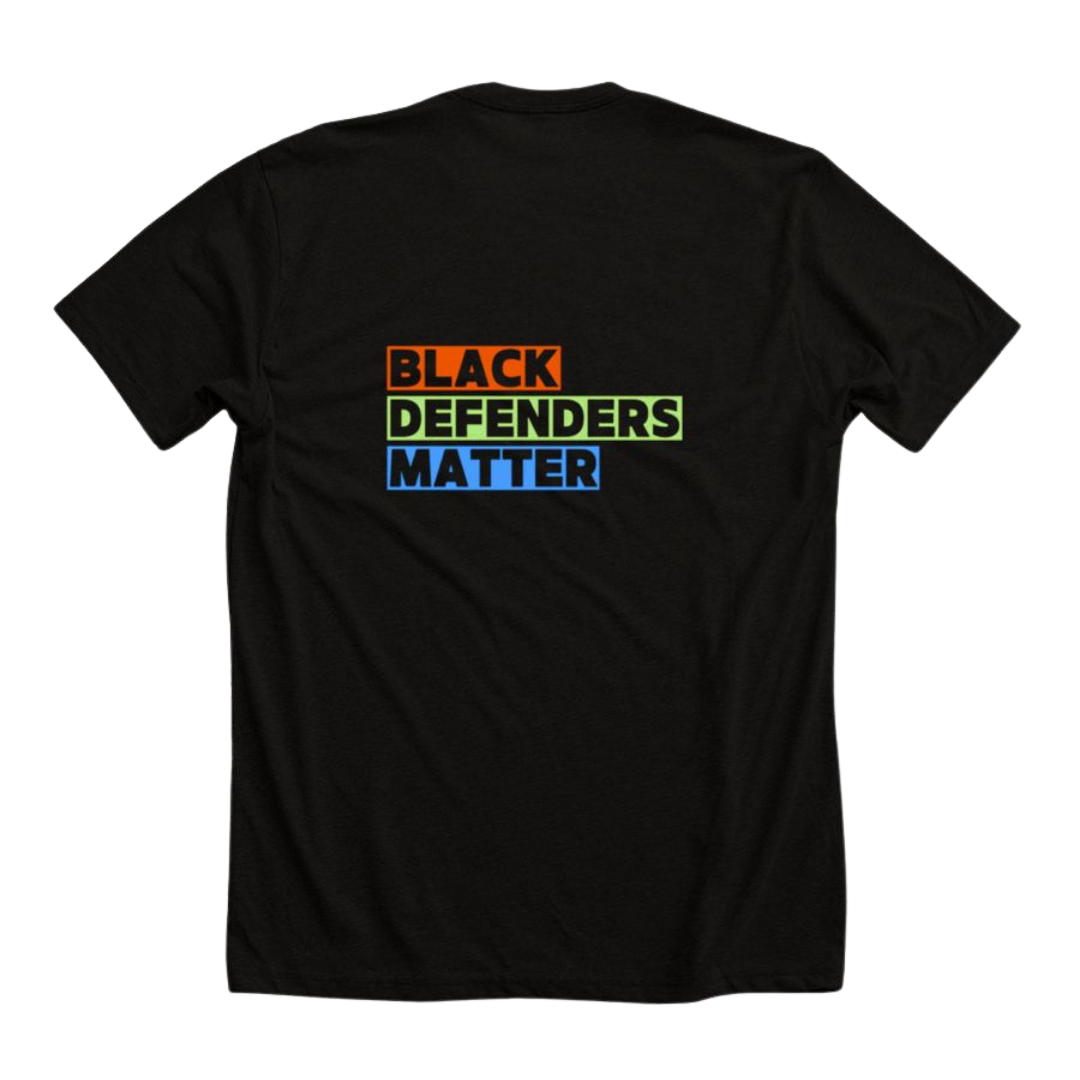
Show your pride with our new Black Defenders Matter t-shirts! Order yours now so it arrives before the 2026 Summer Conference.
SPEAKERS
AGENDA
Subject to change*
DAY 1: TUESDAY, JUNE 16
SESSION 1: Rooted in the People: The Strategic Roadmap on how Black Defenders Lead, Serve, and Win Together
Presenter: TaShun Bowden-LewisPublic defense has always been rooted in community. Drawing on nearly three decades of lived experience, this interactive workshop demonstrates how strong relationships, credibility, and collective action directly strengthen advocacy and client outcomes. Through facilitated, practice-based breakouts, participants will develop practical strategies for building trust, advancing institutional change, and sustaining themselves in demanding environments. Attendees will leave with concrete tools that can be immediately applied in courtrooms, offices, and community spaces. This session affirms that community is not a side project. It is a core professional skill.
SESSION 2: Litigating Beyond the Record: Community-Centered Advocacy Strategies That Strengthen Public Defense
Presenters: Sherie Thomas, Lauren KirichowA client accepts a plea to avoid jail, only to discover they will lose their job and housing because of a license suspension or criminal record. This session provides defenders with practical tools to address these hidden, lifelong penalties, offering strategies to litigate collateral consequences, strengthen advocacy, and build sustainable, community-focused public defense.
SESSION 3: The Only One in the Room: Jurors of Color Reflect on Deliberation and Difference
Presenter: Eric BurseAlthough New York City is one of the most diverse places in the country, Manhattan criminal juries are often disproportionately white, affluent, and highly educated compared to the communities most impacted by the criminal legal system. This panel brings together former Black jurors who recently served on Manhattan criminal juries to discuss what they experienced during deliberations and how race, culture, class, and identity shaped conversations inside the jury room.
Through a moderated discussion, panelists will reflect on issues such as implicit bias, credibility assessments, cultural misunderstandings, and the challenges of being the only juror of color in the room. The session will also explore how jury underrepresentation affects fairness in the criminal legal system and what defenders can learn from these experiences to strengthen voir dire, trial strategy, and advocacy.
Celebration activities will include:
• Joy on Screen (Sister Act II)
• The Game Room (Card games: Spades, Uno, and more)
• For the Culture (Cultural trivia)
DAY 2: WEDNESDAY, JUNE 17
SESSION 1: Defending Criminalized Survivors: An Interdisciplinary Approach
Presenter: Sierra Bartlett, Holly Krig, Keshia Golden, Kyan Keenan, Brett BalmerThis session will explore how a public defender, mitigation specialist, community advocate, and client worked together to defend a criminalized domestic violence survivor charged with first-degree murder while eight months pregnant. Using this case as a framework, the panel will discuss interdisciplinary collaboration, strategies for securing bond, and the role of media and grassroots organizing in supporting criminalized survivors. The session will highlight how coordinated legal and community advocacy can strengthen defense efforts and shift outcomes both inside and outside the courtroom.
SESSION 2: Immigration Enforcement and the Erosion of Legal Rights for All
Presenter: Marie NdiayeThis session will equip public defenders for the profound impact of expanded immigration enforcement on criminal defense practice. We will analyze how the revitalized 287(g) Task Force Model (TFM) is fundamentally changing local policing by coupling federal immigration priorities with local arrests, and how the subsequent decay of legal standards is creating dangerous precedents that directly threaten core constitutional protections for all clients.
Depending on where attendees are from, we may be able to provide specific information about 287g agreements coming from those jurisdictions. This session may also include a practice component focusing on how defense attorneys can leverage discovery practices to uncover detailed information about local 287(g) rules, policies, and operational practices.
SESSION 3: Local Courts Under Federalization: Lessons from DC’s Arraignment Court During the Federal Takeover
Presenter: Rebbie Davis, Keirra ColemanThis presentation and skills training, offered on behalf of the organization Harriet’s Wildest Dreams, will present information on how the Trump Administration’s federalization of Washington, DC attempted to hijack DC arraignment court proceedings in ways that increased harm for Black and Brown loved ones. We will share emerging trends observed during the Federal Surge period in Summer 2025 regarding petty crime arrests, prosecutorial hold requests, shifts in charging patterns, and concerning changes in bench decisions, based on data captured by Harriet’s Wildest Dreams’ program, Courtwatch DC.
By providing information on DC’s federalized arrest rates and arraignment court proceedings, this session will arm public defenders with the information, resources, and defense strategies needed to fortify their criminal justice systems against future federalization attempts across the nation.
SESSION 1: Beyond the Clinical File: Conducting a "Cultural Autopsy" to Unpack Race-Based Trauma in Legal Defense
Presenter: Keisha Ross, Jameca Woody CooperPublic defenders are the first line of defense against the trauma of the carceral system. This workshop is designed to equip attorneys with a framework for understanding and leveraging psychological evidence of race-based trauma, moving beyond standard diagnostic labels. We will introduce our model of the "Cultural Autopsy," a forensic assessment that systematically deconstructs the impact of chronic, intersectional trauma, racial, generational, community, and carceral factors on a client’s psychological functioning and behavior at the time of an alleged offense.
SESSION 2: What Others Miss: A Former Journalist’s Approach to Investigation for Public Defenders
Presenters: Eric BursePublic defense often depends on more than what is disclosed. It depends on what is discovered. Drawing on a background in journalism and investigative reporting, this session explores how defenders can uncover overlooked information, including court records, subpoenaed materials, and digital evidence, to strengthen motions, challenge credibility, and shape trial strategy.
Through practical examples and investigative techniques, participants will learn how to move beyond being passive recipients of discovery and develop a more proactive approach to building and litigating their cases.
SESSION 3: Mitigating the Risk of Family Separation: Practicing at the Intersection of Family, Criminal, and Civil Law
Presenter: Sidni P. RouseIt is generally understood by advocates that contact with the criminal legal system, immigration system, and public benefits system can have a negative impact on the children of the individuals that we represent. But education should not stop there. Advocates are still in search of the knowledge and technical training to help them identify and address issues in their cases that can result in family separation through the family regulation and immigration systems and destabilization of the family unit through the housing and social benefits systems. This session will explore the historical context of the criminal legal, family regulation, immigration, and public benefits systems and the ways that they overlap and destabilize Black families. We will issue spot, strategize, and develop tools to identify and address the enmeshed consequences of these systems on families, with a focus on maintaining the family unit and mitigating the risk of harm from the family regulation system.
SESSION 1: Muddy Waters - Attorneys, Social Workers, and Race in Holistic Defense
Presenter: Brandon Banks, Angelene MusawwirThis presentation will explore how attorneys and social workers can effectively navigate the challenges that sometimes arise when working together within the holistic defense model. It will also include a discussion of the role that race can play in these team dynamics, and why diversity and inclusion are important considerations when building and supporting holistic defense teams.
SESSION 2: Client Advocacy and Art: Community Defense Centers at the Forefront of Community Impact and Empowerment
Presenters: Angela KilpatrickA panel discussion led by Angela Kilpatrick, Deputy Public Defender of the Cook County Public Defender’s Office, including two Defense Center Client Advocates and an Artist in Residence, who will discuss their roles within the Cook County Defense Centers, what drew them to this work, and how they see their purpose in the community through examples of their advocacy and artistry. The panel will also discuss their plans and goals for the communities they serve, how client advocacy and art create impact beyond the courtroom, and what other defenders can do to think outside the box about what Community Defense looks like.
SESSION 3: Defending Youth Where They Are
Presenters: Brittany Mobley, Christina Tavares, Guy LangA session that challenges defenders to go beyond the courtroom and meet youth where they actually are: in their communities, in detention facilities, and in systems that were never designed for them to thrive. Presenters will explore what culturally responsive, race-conscious youth defense looks like in practice, from community outreach and non-traditional partnerships to conditions of confinement advocacy and representing youth behind the wall. The session will also examine cross-jurisdictional insights from Philadelphia and D.C., and what defenders can do — even with limited resources — to show up differently for the young people they serve.
• Membership Committee (Room TBA)
• Law School Committee (Room TBA)
• Policy Committee (Room TBA)
• Training Committee (Room TBA)
DAY 3: THURSDAY, JUNE 18
SESSION 1: Trusted Messengers: Black Public Defenders, Public Voice, and Misinformation
Presenter: Rabiah BurksMisinformation often shapes how the public understands crime, courts, and the justice system. At the same time, the way people receive information continues to change, with growing reliance on social media, podcasts, influencers, and other nontraditional platforms. Too often, conversations about public defense happen without input from the attorneys who work most closely with the people and communities most impacted. This session will discuss how Black public defenders can use their voices publicly while staying within the ethical and professional responsibilities of defense work. Topics will include media engagement, public speaking, LinkedIn and online presence, responding to misinformation, and communicating clearly about the work of public defense across both traditional and emerging platforms. We will also discuss why it is important for Black public defenders to communicate directly with the communities they serve and how defenders can serve as trusted messengers while navigating office policies and expectations around public engagement.